Understanding Anxiety Disorders: Symptoms and Coping Strategies

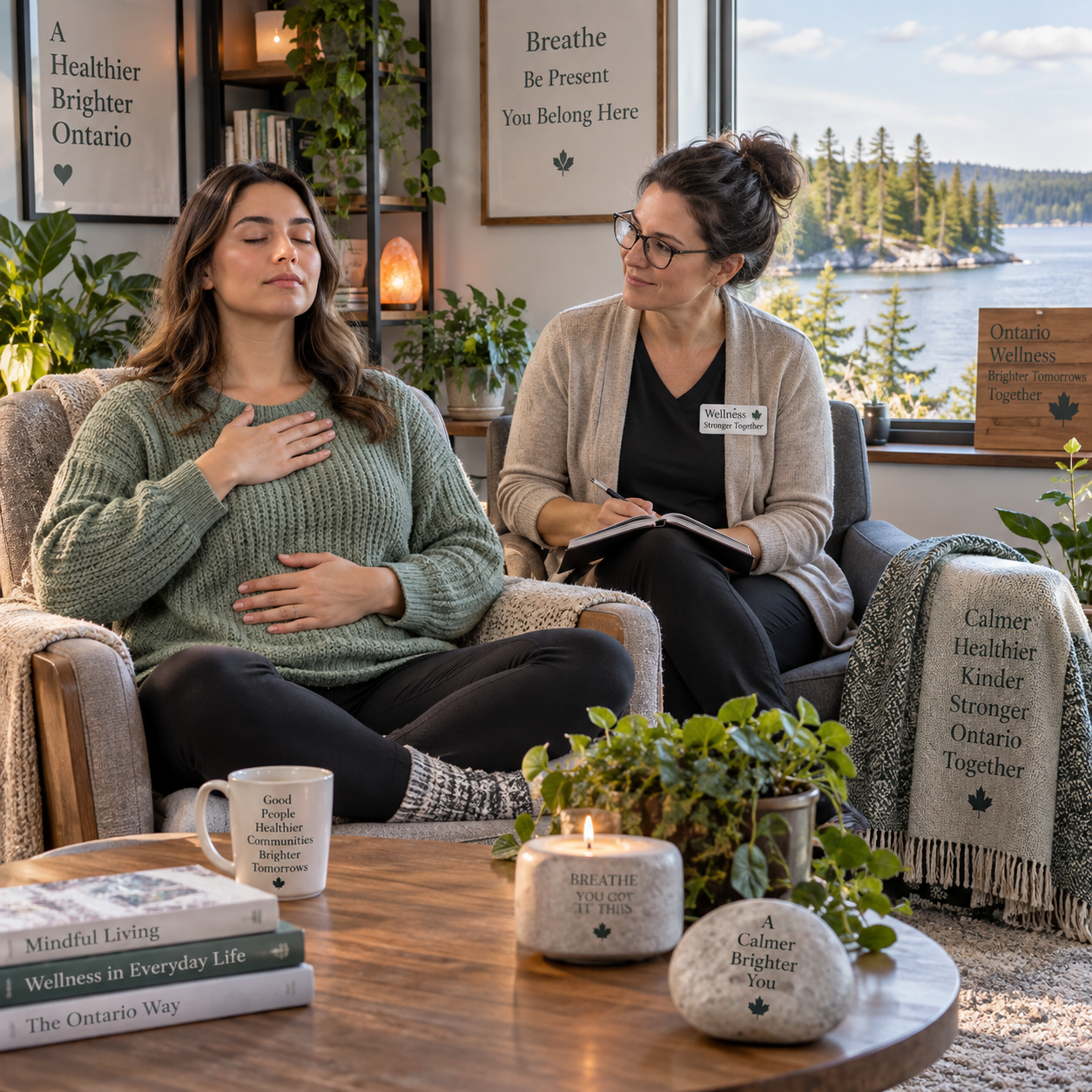
Anxiety is a normal human response to uncertainty, pressure, or perceived danger. It can help you prepare for an exam, navigate a difficult conversation, or respond quickly in an emergency. When fear or worry becomes persistent, difficult to control, and disruptive to everyday life, it may be part of an anxiety disorder.
This guide explains common anxiety symptoms, major types of anxiety disorders, practical coping strategies, and the role of psychotherapy and wellness care. It cannot diagnose you, but it can help you decide when personalized support may be useful.
What Are Anxiety Disorders?
Anxiety disorders are mental health conditions involving excessive or persistent fear, worry, or anxiety that interferes with daily functioning. Normal anxiety usually fades when a stressful situation passes; an anxiety disorder may continue, appear without an obvious trigger, or lead to significant avoidance.
The body’s stress response is designed to protect you. The brain detects a possible threat and activates changes such as a faster heartbeat, tense muscles, and increased alertness. This response can be helpful in short bursts. Problems may arise when the alarm stays active even after the situation is safe.
There is no single threshold that separates ordinary anxiety from a disorder for everyone. A qualified clinician considers the pattern, intensity, duration, personal history, physical health, and effect on work, relationships, sleep, and self-care. A troubling experience deserves attention even if you are unsure what label applies.
Common Symptoms of Anxiety
Anxiety symptoms can affect emotions, thoughts, the body, and behaviour. Some people primarily notice excessive worry, while others first experience physical sensations such as dizziness, nausea, muscle tension, or a racing heart.
Emotional and cognitive symptoms
- Persistent worry about health, finances, family, work, or future events
- Feeling on edge, restless, irritable, or unable to relax
- Difficulty concentrating because thoughts keep returning to possible problems
- Fear that something terrible will happen, even when evidence is limited
- Feeling overwhelmed by ordinary decisions or responsibilities
Physical symptoms
- Muscle tension, jaw clenching, headaches, or back and shoulder discomfort
- Rapid heartbeat, chest tightness, sweating, trembling, or shortness of breath
- Stomach discomfort, nausea, changes in appetite, or frequent bathroom trips
- Fatigue and sleep disruption, including difficulty falling or staying asleep
Behavioural changes
Anxiety often changes what a person does. Avoiding social events, driving, medical appointments, travel, presentations, or unfamiliar places may provide short-term relief. Over time, however, avoidance can strengthen the fear by preventing new experiences of coping and safety.
Physical symptoms can have many causes, including medical conditions and medication effects. New, severe, or unusual symptoms should be discussed with a healthcare professional rather than automatically attributed to anxiety.
Common Types of Anxiety Disorders
Common anxiety disorders include generalized anxiety disorder, panic disorder, and social anxiety disorder, along with several other specific conditions. Only a qualified mental health professional can assess whether a particular diagnosis fits your experience.
Generalized anxiety disorder
Generalized anxiety disorder involves ongoing, difficult-to-control worry across several areas of life. The worry may feel excessive compared with the situation and may occur alongside restlessness, fatigue, irritability, muscle tension, concentration problems, or sleep difficulties.
Panic disorder and panic attacks
A panic attack is a sudden surge of intense fear or discomfort that may include a pounding heart, shaking, sweating, breathlessness, dizziness, or a fear of losing control. Panic disorder involves recurrent unexpected attacks and ongoing concern or behaviour changes related to having another one. A single panic attack does not automatically mean panic disorder.
Social anxiety disorder
Social anxiety involves marked fear of being judged, embarrassed, rejected, or negatively evaluated in social or performance situations. Someone may avoid conversations, meetings, public speaking, eating around others, or new groups despite wanting connection.
Other anxiety-related patterns
Some people experience a specific phobia, such as intense fear of heights or needles, or anxiety linked to particular situations. Anxiety can also occur alongside other mental or physical health concerns. A careful assessment helps separate overlapping symptoms and identify appropriate care without self-diagnosis.
Coping Strategies for Managing Anxiety
To manage anxiety, start with small actions that calm the body, orient attention to the present, and reduce patterns that keep fear going. Coping strategies support wellbeing, but they should not replace professional assessment when anxiety is severe or persistent.
- Slow your breathing. Breathe in gently through your nose and make the exhale slightly longer than the inhale for one to two minutes. Avoid forcing deep breaths, which can increase light-headedness for some people.
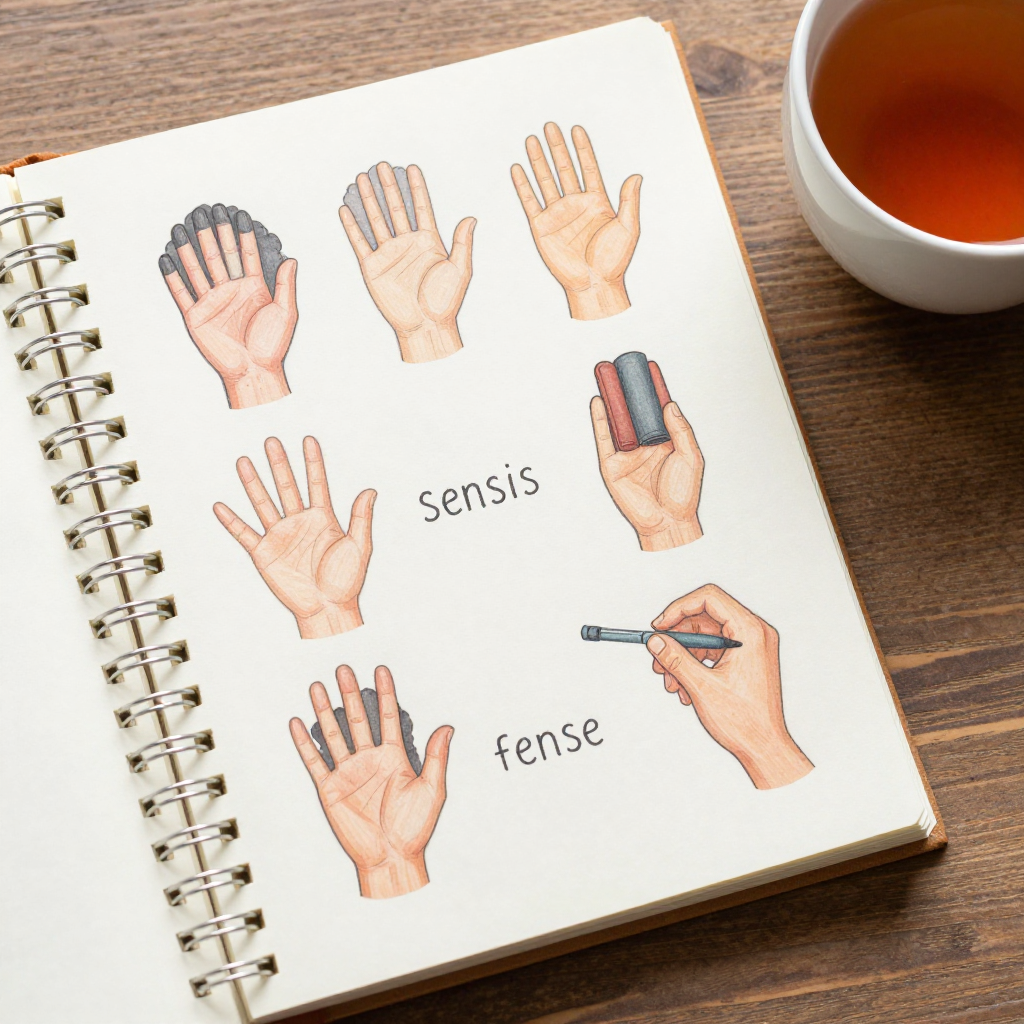
- Use grounding. Name five things you can see, four you can feel, three you can hear, two you can smell, and one you can taste. This shifts attention from imagined danger toward present sensory information.
- Label the experience. Try saying, “I am noticing anxiety,” rather than treating every anxious thought as a prediction. Naming a feeling can create enough distance to choose your next action.
- Build a steady routine. Regular meals, consistent sleep and wake times, daylight exposure, and manageable daily tasks can reduce additional strain on the nervous system.
- Move in a sustainable way. Walking, stretching, swimming, or other comfortable movement may help release tension. Choose an amount you can maintain rather than using exercise as another source of pressure.
- Reduce avoidance gradually. With support when needed, break a feared activity into smaller steps. The aim is practice and increased confidence, not forcing yourself into overwhelming situations.
Mindfulness can help you observe thoughts without immediately reacting to them. Limiting excess caffeine, nicotine, alcohol, and late-night screen use may also help some people, although individual responses vary. Keep a brief note of triggers, symptoms, sleep, and helpful actions for one week; patterns can guide a therapy conversation.
How Psychotherapy Can Help
Psychotherapy can help you understand anxiety patterns, develop coping skills, and make gradual changes that support daily functioning. Treatment is collaborative: a therapist works with you to clarify goals, consider contributing factors, and choose methods suited to your needs.
Cognitive behavioural therapy (CBT) is one evidence-informed approach commonly used for anxiety. CBT may examine the connection between thoughts, physical sensations, emotions, and behaviour. For example, a therapist might help you test the belief that a minor mistake will inevitably lead to rejection, then plan a manageable behavioural experiment.
Therapy can include education about the stress response, breathing and grounding techniques, problem-solving, exposure-based work for avoidance, and relapse-prevention planning. Progress is often measured through practical changes: attending a meeting, sleeping more consistently, reducing reassurance-seeking, or returning to an activity you value.
Choosing therapy for structured skill-building means accepting that improvement usually requires practice between sessions. Therapy may also need to be adapted if symptoms are connected to trauma, chronic pain, medication, substance use, or another health concern. A family doctor or nurse practitioner can help with medical assessment when appropriate.
When to Seek Professional Support
Seek professional support when anxiety is persistent, worsening, or interfering with work, relationships, sleep, health appointments, or ordinary activities. You do not need to wait until symptoms become unbearable, and you do not need to know your diagnosis before contacting a qualified provider.
Consider speaking with a psychotherapist, family doctor, nurse practitioner, or other regulated mental health professional if you:
- Spend much of the day worrying or trying to prevent feared outcomes
- Avoid important responsibilities, social contact, travel, or healthcare
- Experience repeated panic attacks or fear of leaving home
- Have ongoing insomnia, physical tension, or distressing bodily symptoms
- Rely increasingly on alcohol, drugs, reassurance, or compulsive checking to cope
In Ontario, you can look for a provider who clearly explains credentials, privacy practices, fees, availability, and the type of care offered. Professional directories and public health information can help you begin; Canada’s mental health resources provide additional guidance.
If you are in immediate danger or having thoughts of self-harm, call 911 or go to the nearest emergency department. In Canada, call or text 988 for immediate suicide crisis support.
Creating a Personalized Wellness Plan
A personalized wellness plan combines realistic daily habits, appropriate psychotherapy, and other supportive services based on your goals and health needs. The plan should make life more workable, not create another standard you feel you are failing to meet.
Start with one target, such as improving sleep consistency, returning to a short social activity, or reducing panic-related avoidance. Choose a small action, define how often you will practise it, and review what happened without judgment. A therapist can help you adjust the plan when progress is uneven.
Complementary wellness services may support relaxation and body awareness. For some people, massage therapy can provide a quiet space to notice muscle tension and practise rest alongside mental health care. Massage therapy is not a stand-alone treatment for an anxiety disorder, and it should be discussed with a qualified practitioner if you have medical concerns, acute pain, or other contraindications.
Think of care as a coordinated set of supports: psychotherapy for patterns and skills, medical care for physical assessment when needed, and wellness practices for sustainable routines. The right balance differs from person to person. Review your plan after a few weeks and keep the elements that improve functioning, not merely those that offer brief relief.
Frequently Asked Questions
What is the difference between stress and an anxiety disorder?
Stress usually relates to an identifiable demand and may ease when the demand changes. An anxiety disorder can persist beyond the original trigger, feel difficult to control, and interfere with everyday functioning.
Can anxiety cause physical symptoms?
Yes. Anxiety can activate the stress response and contribute to muscle tension, rapid heartbeat, sweating, digestive discomfort, fatigue, and sleep disruption. New or severe symptoms still require medical advice.
When should I talk to a therapist about anxiety?
Talk with a therapist when worry, panic, avoidance, or physical tension affects your relationships, work, sleep, or ability to do activities you value. Early support can help prevent patterns from becoming more restrictive.
What can I do during a panic attack?
Move to a safer, quieter place if possible, loosen restrictive clothing, slow your exhale without forcing your breath, and name objects around you. Remind yourself that panic sensations can pass, while seeking urgent medical help for symptoms that may signal a medical emergency.
Can massage therapy support relaxation alongside mental health care?
Massage therapy may support relaxation and awareness of bodily tension for some people. It works best as a complementary wellness service, not as a replacement for psychotherapy, medical evaluation, or crisis care.
This article provides general education, not a diagnosis or individualized medical advice. A qualified mental health or healthcare professional can help you choose safe, appropriate support.