Mindfulness Techniques for Daily Stress Reduction

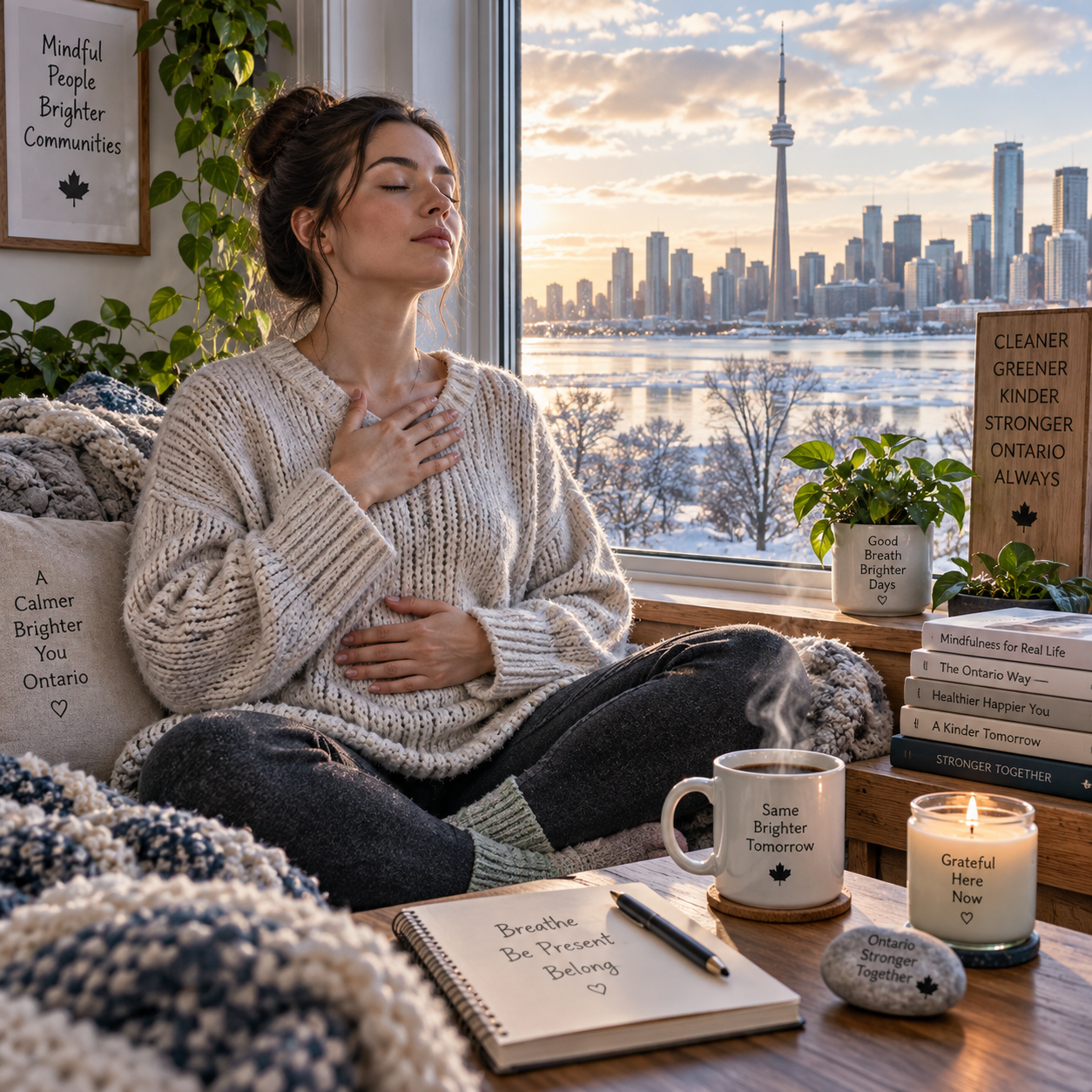
Daily stress can show up as racing thoughts, shallow breathing, tight shoulders, irritability, or difficulty concentrating. Mindfulness techniques for daily stress reduction offer brief, practical ways to notice what is happening and respond with greater steadiness.
Mindfulness will not remove every stressful situation. It can, however, create a small pause between an experience and your reaction. That pause may support emotional regulation, relaxation, and clearer choices at work, at home, while commuting, or during a difficult conversation.
What Mindfulness Is and How It Can Help With Stress
Mindfulness is the practice of paying attention to present-moment experience with curiosity and without immediately judging it. By noticing thoughts, emotions, breathing, and body sensations, you may respond to daily stress more deliberately instead of acting automatically.
Stress often develops through a feedback loop. A demanding event triggers a thought, the thought increases emotional intensity, and the body responds with muscle tension or rapid breathing. Those sensations can then reinforce the sense that something is wrong. Present-moment awareness helps you observe this loop before it gathers more momentum.
A mindful response might sound like: I notice worry, my jaw is tight, and my breathing is fast. This statement does not deny the problem or force positive thinking. It simply separates observation from immediate reaction.
Mindfulness may support:
- Recognition of early stress signals, such as clenched muscles or mental agitation.
- Emotional regulation by making room for feelings without instantly suppressing or expressing them.
- Relaxation through slower breathing, gentle movement, and reduced muscle bracing.
- Better awareness of habits that intensify stress, including overworking, rushing, or avoiding rest.
For an accessible overview of mindfulness and meditation, the U.S. National Center for Complementary and Integrative Health discusses potential benefits and safety considerations. Individual experiences vary, so mindfulness should be treated as one supportive skill rather than a guaranteed treatment.
A Simple Mindful Breathing Exercise
To practise mindful breathing, bring attention to one natural breath at a time, notice when the mind wanders, and gently return to the next inhale or exhale. A one- to three-minute practice can be enough for a useful pause.
The three-minute breathing pause
- Arrive. Sit, stand, or remain where you are. If possible, place both feet on the floor and soften your shoulders.
- Notice. Observe what is present in your thoughts, emotions, and body. You do not need to solve anything during this step.
- Follow the breath. Feel air moving through the nose, chest, or abdomen. Let the breath remain comfortable; avoid forcing deep inhalations.
- Widen attention. Include the whole body, the sounds around you, and the surface supporting you.
- Choose one next action. Return to your task, take a drink of water, stretch, or postpone a response until you feel more settled.
When stress is high, counting can provide structure. Try inhaling gently for a comfortable count of three and exhaling for a comfortable count of four, for five rounds. Stop or return to ordinary breathing if counting makes you feel strained, light-headed, or more anxious.
The goal is not perfect concentration. Each time you notice distraction and come back to the breath, you are practising attention. You can use this exercise before opening email, after a tense phone call, or while waiting in a parking lot.
Mindfulness Techniques for Everyday Situations
Everyday mindfulness techniques work best when attached to activities you already do, such as walking, eating, washing your hands, or starting a work break. Short practices reduce the pressure of finding a perfect meditation space or a long uninterrupted period.
Mindful walking
During a short walk, notice the lifting and placing of each foot, the movement of your legs, and the contact between your shoes and the ground. Add awareness of temperature, sounds, and visual details. If your mind returns to a problem, acknowledge it and come back to walking.
Grounding through the senses
Grounding techniques can help when worry pulls attention into the future or a stressful memory. Try identifying five things you can see, four you can feel, three you can hear, two you can smell, and one you can taste. Adapt the numbers if needed; the purpose is to reconnect with the immediate environment.
Mindful eating
Take the first three bites of a meal more slowly than usual. Notice colour, temperature, texture, aroma, and flavour. Put down the utensil between bites if that feels comfortable. This is not a diet rule. It is a way to practise attention and give your nervous system a brief change of pace.
Brief pauses at work or home
- Before replying to a difficult message, feel both feet on the floor and take one unhurried exhale.
- At the sink, notice warm water, movement, and the sensation of your hands.
- When transitioning from work to home, name the role you are leaving and the activity you are entering.
- Set a quiet reminder once or twice daily that asks, What am I noticing right now?

Body Scan and Tension Awareness
A body scan is a mindful practice of moving attention through the body to notice tension, discomfort, warmth, pressure, or ease. It can reveal stress patterns early and help you choose a suitable response, such as movement, rest, or professional care.
Begin by sitting or lying in a position that feels safe. Bring attention to your feet, lower legs, knees, hips, abdomen, chest, shoulders, arms, hands, neck, jaw, face, and head. Spend one or two breaths at each area. You are observing rather than trying to force every sensation to disappear.
After the scan, ask three practical questions:
- Where is my body working harder than necessary?
- What might this area need right now: movement, warmth, hydration, rest, or a change in posture?
- Is this sensation familiar, worsening, or concerning enough to discuss with a health professional?
For example, you may discover that your shoulders rise whenever you read urgent messages. You could lower them, lengthen your exhale, and stand for a two-minute stretch. A body scan is not a diagnostic test, and persistent pain, numbness, weakness, or other concerning symptoms deserve appropriate medical assessment.
Creating a Sustainable Mindfulness Routine
To create a sustainable mindfulness routine, start with one brief practice, connect it to a reliable daily cue, and measure success by returning rather than by performing perfectly. Consistency matters more than length.
Use the small-and-repeatable approach
Choose a practice that takes one to five minutes for the first week. For example, practise mindful breathing after brushing your teeth or complete a body scan before turning off the light. Once the habit feels familiar, increase the duration only if it remains helpful.
Distraction is expected. When you notice planning, remembering, judging, or daydreaming, label it gently as thinking and return to your chosen anchor. Harsh self-criticism adds another layer of stress and does not improve attention.
Build a personal cue system
- Time cue: practise after lunch or before your first meeting.
- Place cue: pause whenever you enter your car or sit at your desk.
- Event cue: take three breaths after receiving a stressful message.
Keep the routine flexible. If sitting meditation feels uncomfortable, use walking, stretching, sensory grounding, or mindful breathing with your eyes open. Longer practice is not automatically better; the right method is the one you can use safely and repeat without adding pressure.
Combining Mindfulness With Psychotherapy or Massage Therapy
Mindfulness may complement psychotherapy and massage therapy by improving awareness of thoughts, emotions, breathing, and physical tension, but it does not replace assessment or clinical care. A qualified practitioner can help adapt these practices to your goals, history, and comfort level.
In psychotherapy, mindfulness may be used to notice anxious predictions, emotional triggers, avoidance patterns, or automatic reactions. A psychotherapist can help you explore what arises and develop strategies that fit your circumstances. Mindfulness alone may be insufficient when stress connects with trauma, depression, panic, relationship difficulties, or significant functional changes.
Massage therapy can provide a focused opportunity to notice breathing, muscle tension, and physical comfort. After a session, some people find it useful to spend a minute observing how their body feels before returning to a busy schedule. Massage therapy should be discussed with a qualified practitioner, particularly when you have an injury, medical condition, pregnancy-related concerns, or unexplained pain.
In Ontario, you can ask prospective providers about their qualifications, approach, privacy practices, and how they coordinate care when another health professional is involved. The most useful plan is individualized: mindfulness may be one part of care alongside psychotherapy, massage therapy, medical attention, sleep support, movement, and practical changes to reduce overload.
When to Seek Additional Support for Stress
Seek additional support when stress is persistent, worsening, or interfering with sleep, work, relationships, physical health, or daily functioning. A qualified psychotherapist, physician, nurse practitioner, or other appropriate health professional can help determine what support fits your needs.
Consider arranging professional help if you notice:
- Stress symptoms that continue for several weeks or repeatedly return without relief.
- Frequent panic, intense anxiety, low mood, anger, numbness, or difficulty regulating emotions.
- Major changes in sleep, appetite, concentration, energy, or substance use.
- Persistent pain or physical symptoms that have not been assessed.
- Difficulty meeting responsibilities or maintaining important relationships.
If meditation increases distress, stop the exercise and orient to the room. Keep your eyes open, name visible objects, feel your feet on the floor, or switch to gentle movement. People with trauma histories or certain mental health conditions may need adapted mindfulness practices and professional guidance.
If you may harm yourself or someone else, or cannot stay safe, seek immediate crisis or emergency support in your area. Mindfulness can be a helpful skill, but severe distress deserves direct human care.
Mindfulness Techniques for Daily Stress Reduction: FAQ
How long should I practise mindfulness each day?
Start with one to five minutes and increase only if it feels useful. A brief daily practice can be more realistic than an occasional long session.
Which mindfulness technique is best for beginners?
Mindful breathing is often a simple starting point, while walking or sensory grounding may suit people who find seated meditation difficult.
Can mindfulness help during an acute stressful moment?
It may help you pause and reconnect with the present. Try one comfortable exhale, feel your feet, and identify three things you can see before choosing your next action.
What should I do if meditation makes me more anxious?
Stop or shorten the practice, keep your eyes open, use external sensory grounding, and discuss the experience with a qualified professional if it continues.
Can mindfulness be combined with psychotherapy or massage therapy?
Yes. Mindfulness may complement both services when adapted to your needs, but it should not replace psychotherapy, medical care, massage therapy assessment, or crisis support.