The Science Behind Massage Therapy: How It Affects Your Nervous System


Massage therapy is often associated with looser muscles and a feeling of calm. Its effects may also involve the nervous system, which constantly interprets touch, pressure, movement, breathing, and the environment around you. When these signals feel safe and manageable, the body may shift away from high alert and toward a more settled state.
That does not mean massage therapy cures anxiety, trauma, or chronic pain. The response varies from person to person, and short-term relaxation is different from treating an underlying medical or mental-health condition. Still, massage can be a useful part of an individualized wellness plan, particularly when it is delivered with informed consent, clear communication, and appropriate professional care.
Understanding the Nervous System and the Stress Response
The autonomic nervous system regulates automatic body functions such as heart rate, breathing, digestion, and blood-vessel activity. Its sympathetic branch helps the body respond to demand, while its parasympathetic branch supports recovery, digestion, and rest.
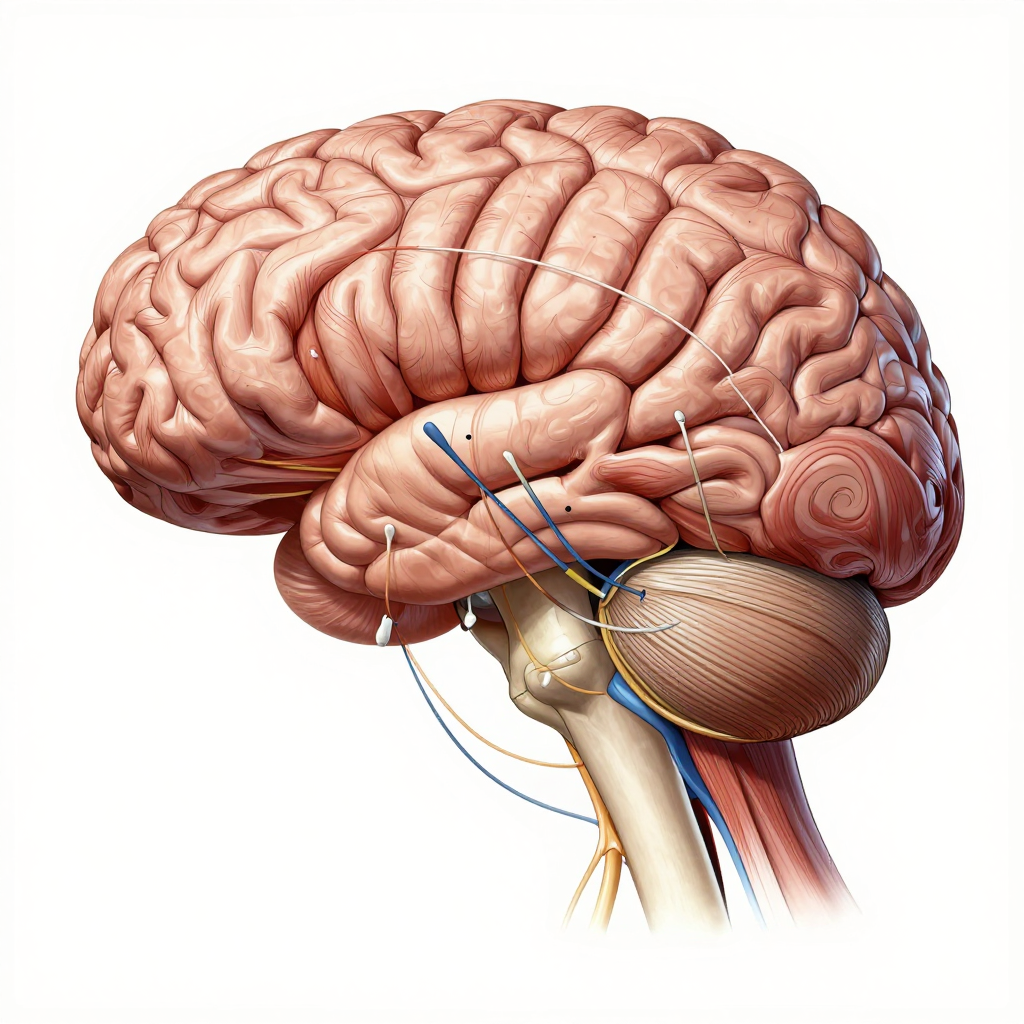
The nervous system includes the brain, spinal cord, and peripheral nerves. For this topic, the autonomic nervous system is especially important because it helps coordinate the body’s response to perceived safety or threat.
Sympathetic and parasympathetic activity
The sympathetic nervous system is commonly described as the “fight-or-flight” system. It can increase alertness, heart rate, breathing rate, and muscle readiness. This response is useful when you need to act quickly, but prolonged work demands, pain, poor sleep, or emotional stress can leave the body feeling tense and overactivated.
The parasympathetic nervous system is often called the “rest-and-digest” system. It supports digestion, recovery, and lower physiological arousal. These two branches work together rather than functioning as simple on-and-off switches. A healthy nervous system continually adjusts to changing circumstances.
During a stress response, the body may also release hormones such as cortisol. Cortisol has important functions, including helping regulate energy and immune activity. A single cortisol measurement cannot explain how relaxed or stressed someone feels, so claims that massage always lowers cortisol should be treated carefully. Massage may support a subjective sense of calm and other relaxation-related changes, but responses are individual.
How Massage Therapy May Influence the Nervous System
Massage therapy may support relaxation by giving the nervous system predictable sensory input, reducing some sources of physical discomfort, and creating conditions that encourage slower breathing and lower arousal.
Therapeutic touch activates sensory receptors in the skin, fascia, muscles, and joints. The brain receives information about pressure, temperature, movement, and position. When touch is consensual, appropriately paced, and comfortable, these signals may compete with or modify attention to stress and pain signals.
A calm treatment room can add another layer of support. Dimmer lighting, quiet conversation, warmth, and a steady therapeutic rhythm may reduce external demands. A client who feels safe may breathe more slowly, unclench the jaw, soften the shoulders, or notice tension that was previously outside their awareness.
Pressure and movement can also influence body awareness. This does not mean every firm technique is more effective. Choosing stronger pressure for the sake of intensity may increase guarding, soreness, or sympathetic arousal. The useful level is the one that the client can receive without bracing.
Breathing matters as well. A therapist may invite comfortable, unforced breathing, but should not pressure a client to breathe in a particular way. Slow breathing can help some people settle, while others may become more anxious when attention turns inward. Trauma-informed care leaves room for choice.
The practical model is simple: safe contact, manageable sensation, and client control can create favorable conditions for a relaxation response. Massage is one possible input among many, not a guaranteed nervous-system reset.
The Connection Between Massage, Muscle Tension, and Pain
Massage therapy may reduce the experience of muscle tension and pain by combining mechanical effects, sensory input, movement, and improved awareness of how the body is holding stress.
Muscle tension can develop after repetitive work, athletic activity, prolonged sitting, injury, or emotional strain. When muscles remain guarded, ordinary movement may feel effortful and the area may become more sensitive. Massage may temporarily improve comfort by encouraging tissue movement, reducing protective contraction, and helping a person move with less apprehension.
Circulation may increase locally during and after some forms of massage, although the exact effect depends on pressure, technique, body position, and individual physiology. Better comfort can make gentle movement easier, which may be more valuable than trying to force a tight area to relax during one appointment.
Pain perception and the brain
Pain is a real experience created through the interaction of sensory signals, the brain, emotions, expectations, sleep, and context. The nervous system does not act like a simple damage meter. Two people with similar tissue findings may experience very different levels of pain.
Massage may influence pain perception by providing a competing non-painful sensory signal, reducing fear of movement, and helping the client feel more connected to the affected area. Relaxation may also lower the additional muscle guarding that often develops around painful movement.
These effects can be helpful without proving that a structural problem has been corrected. If pain is severe, persistent, progressive, or accompanied by weakness, numbness, fever, unexplained weight loss, or loss of bladder or bowel control, seek medical assessment rather than relying on massage alone.
Massage Therapy, Stress, and Emotional Well-Being
Massage therapy may complement stress management by helping a person notice physical signs of strain, experience temporary relaxation, and reconnect with the body in a supportive setting.
Stress often appears physically before a person has words for it. Common signs include shallow breathing, headaches, clenched hands, stomach discomfort, restless sleep, and persistent muscle tension. A massage session can provide a pause from constant demands and create an opportunity to observe these patterns without judgment.
For some clients, physical relaxation makes it easier to reflect on emotions. For others, close contact or inward attention can feel uncomfortable, particularly after trauma or during periods of intense anxiety. A therapist should never assume that relaxation looks the same for everyone. Keeping eyes open, changing position, reducing pressure, pausing, or ending the session are all valid choices.
Massage can work alongside psychotherapy, counselling, exercise, medical care, and other evidence-informed approaches. Psychotherapy may address thoughts, relationships, trauma responses, coping patterns, and emotional meaning. Massage primarily offers a body-based experience. Used together, these services can give a client more than one way to understand stress and support self-regulation, while each professional remains within their scope of practice.
What to Expect During a Massage Therapy Session
A massage therapy session usually begins with an intake conversation, continues with consent-based assessment and treatment, and ends with feedback about comfort, movement, and next steps.
Before treatment, the registered massage therapist may ask about your goals, symptoms, health history, medications, injuries, sleep, work demands, and relevant mental-health considerations. You can share only what feels necessary, but accurate information helps the therapist adapt care safely.
Communication and consent
- Discuss pressure: Describe whether the touch feels comfortable, too light, too intense, sharp, burning, or emotionally unsettling.
- Set boundaries: You may request changes to draping, positioning, music, lighting, conversation, or the area being treated.
- Know your choices: Consent is ongoing. You can pause, modify, or stop treatment at any time.
- Expect adaptation: A treatment plan may change if your symptoms, breathing, or comfort level changes during the appointment.
Only the area being treated should be exposed, using professional draping and a clear explanation of positioning. You should not feel obligated to tolerate pain to achieve results. Mild post-treatment soreness can occur, especially after unfamiliar work, but significant or lasting pain is a reason to contact the therapist and consider further assessment.
Safety, Limitations, and Choosing Appropriate Care
Massage therapy is generally considered supportive care for many adults, but it is not a replacement for medical diagnosis, emergency treatment, or psychotherapy. Safety depends on health history, symptom pattern, treatment intensity, and communication.
Before a session, tell your therapist about pregnancy, recent surgery, fractures, blood-clotting disorders, osteoporosis, cancer treatment, infectious illness, uncontrolled blood pressure, neurological symptoms, skin conditions, allergies, and medications such as anticoagulants. Your therapist may modify treatment, request medical clearance, or recommend another professional.
Seek urgent medical care for chest pain, sudden shortness of breath, new one-sided weakness, severe allergic symptoms, or sudden neurological changes. For emotional distress, thoughts of self-harm, or an immediate safety concern, contact emergency services or a local crisis service. Massage cannot provide crisis intervention.
When choosing care in Ontario, ask whether the practitioner is a Registered Massage Therapist, how privacy and consent are handled, and how they coordinate referrals when symptoms fall outside their scope. A trustworthy provider welcomes questions and avoids promising to repair every condition through touch.
A useful decision filter is comfort, clarity, and coordination: Do you feel physically and emotionally comfortable? Is the treatment plan clearly explained? Can the therapist coordinate with medical or mental-health care when needed? If one answer is no, pause before proceeding.
Frequently Asked Questions
Does massage activate the parasympathetic nervous system?
Massage may support parasympathetic activity and a relaxation response in some people, especially when touch is comfortable and the environment feels safe. The effect is not guaranteed, and physiological changes vary between individuals.
Can massage therapy help with stress and muscle tension?
Massage may temporarily ease muscle tension and help some people feel less stressed. Benefits are often strongest when combined with sleep support, movement, coping skills, psychotherapy, or medical care when appropriate.
How does massage affect the body’s pain response?
Massage may change pain perception through touch-based sensory input, reduced muscle guarding, improved comfort with movement, and relaxation. It does not establish the cause of pain or replace assessment of persistent symptoms.
What should I tell my massage therapist before a session?
Share your treatment goals, current symptoms, injuries, surgeries, pregnancy, medical conditions, medications, skin concerns, and anything that affects touch or positioning. Also mention pressure preferences and boundaries.
Can massage therapy complement psychotherapy?
Yes. Massage therapy can provide body-based support for relaxation and awareness, while psychotherapy addresses emotional, cognitive, relational, and behavioral concerns. Both should remain voluntary, coordinated when useful, and within professional scope.